{"variants":[{"id":47311584723287,"name":null,"title":"None \/ Black \/ Frame Only","option1":"None","option2":"Black","option3":"Frame Only","available":true,"inventory_policy":"continue","inventory_quantity":13,"limited_pre_order":false,"negative_stock_count":null,"price":332900,"compare_at_price":442900,"_karla_estimated_ship_date_start":null,"_karla_estimated_ship_date_end":null,"_container_id":null},{"id":47311584887127,"name":null,"title":"None \/ White \/ Frame Only","option1":"None","option2":"White","option3":"Frame Only","available":true,"inventory_policy":"continue","inventory_quantity":140,"limited_pre_order":false,"negative_stock_count":null,"price":332900,"compare_at_price":442900,"_karla_estimated_ship_date_start":null,"_karla_estimated_ship_date_end":null,"_container_id":null},{"id":50541195592023,"name":null,"title":"None \/ Grey \/ Frame Only","option1":"None","option2":"Grey","option3":"Frame Only","available":true,"inventory_policy":"continue","inventory_quantity":17,"limited_pre_order":false,"negative_stock_count":null,"price":332900,"compare_at_price":442900,"_karla_estimated_ship_date_start":null,"_karla_estimated_ship_date_end":null,"_container_id":null},{"id":40677505171499,"name":null,"title":"Black \/ Black \/ 120 x 60 cm","option1":"Black","option2":"Black","option3":"120 x 60 cm","available":true,"inventory_policy":"continue","inventory_quantity":13,"limited_pre_order":false,"negative_stock_count":null,"price":440900,"compare_at_price":573900,"_karla_estimated_ship_date_start":null,"_karla_estimated_ship_date_end":null,"_container_id":null},{"id":40265028468779,"name":null,"title":"Black \/ Black \/ 140 x 70 cm","option1":"Black","option2":"Black","option3":"140 x 70 cm","available":true,"inventory_policy":"continue","inventory_quantity":13,"limited_pre_order":false,"negative_stock_count":null,"price":535900,"compare_at_price":690900,"_karla_estimated_ship_date_start":null,"_karla_estimated_ship_date_end":null,"_container_id":null},{"id":40265028501547,"name":null,"title":"Black \/ Black \/ 160 x 80 cm","option1":"Black","option2":"Black","option3":"160 x 80 cm","available":true,"inventory_policy":"continue","inventory_quantity":13,"limited_pre_order":false,"negative_stock_count":null,"price":569900,"compare_at_price":746900,"_karla_estimated_ship_date_start":null,"_karla_estimated_ship_date_end":null,"_container_id":null},{"id":47245598064983,"name":null,"title":"Black \/ Black \/ 180 x 80 cm","option1":"Black","option2":"Black","option3":"180 x 80 cm","available":true,"inventory_policy":"continue","inventory_quantity":13,"limited_pre_order":false,"negative_stock_count":null,"price":624900,"compare_at_price":812900,"_karla_estimated_ship_date_start":null,"_karla_estimated_ship_date_end":null,"_container_id":null},{"id":50541195690327,"name":null,"title":"Black \/ Black \/ 200 x 80 cm","option1":"Black","option2":"Black","option3":"200 x 80 cm","available":true,"inventory_policy":"continue","inventory_quantity":13,"limited_pre_order":false,"negative_stock_count":null,"price":639900,"compare_at_price":838900,"_karla_estimated_ship_date_start":null,"_karla_estimated_ship_date_end":null,"_container_id":null},{"id":40677505204267,"name":null,"title":"Black \/ White \/ 120 x 60 cm","option1":"Black","option2":"White","option3":"120 x 60 cm","available":true,"inventory_policy":"continue","inventory_quantity":93,"limited_pre_order":false,"negative_stock_count":null,"price":440900,"compare_at_price":573900,"_karla_estimated_ship_date_start":null,"_karla_estimated_ship_date_end":null,"_container_id":null},{"id":40265028534315,"name":null,"title":"Black \/ White \/ 140 x 70 cm","option1":"Black","option2":"White","option3":"140 x 70 cm","available":true,"inventory_policy":"continue","inventory_quantity":140,"limited_pre_order":false,"negative_stock_count":null,"price":535900,"compare_at_price":690900,"_karla_estimated_ship_date_start":null,"_karla_estimated_ship_date_end":null,"_container_id":null},{"id":40265028567083,"name":null,"title":"Black \/ White \/ 160 x 80 cm","option1":"Black","option2":"White","option3":"160 x 80 cm","available":true,"inventory_policy":"continue","inventory_quantity":118,"limited_pre_order":false,"negative_stock_count":null,"price":569900,"compare_at_price":746900,"_karla_estimated_ship_date_start":null,"_karla_estimated_ship_date_end":null,"_container_id":"ler25019-c2"},{"id":47245598097751,"name":null,"title":"Black \/ White \/ 180 x 80 cm","option1":"Black","option2":"White","option3":"180 x 80 cm","available":true,"inventory_policy":"continue","inventory_quantity":106,"limited_pre_order":false,"negative_stock_count":null,"price":624900,"compare_at_price":812900,"_karla_estimated_ship_date_start":null,"_karla_estimated_ship_date_end":null,"_container_id":null},{"id":50541195723095,"name":null,"title":"Black \/ White \/ 200 x 80 cm","option1":"Black","option2":"White","option3":"200 x 80 cm","available":true,"inventory_policy":"continue","inventory_quantity":49,"limited_pre_order":false,"negative_stock_count":null,"price":639900,"compare_at_price":838900,"_karla_estimated_ship_date_start":null,"_karla_estimated_ship_date_end":null,"_container_id":null},{"id":50541195755863,"name":null,"title":"Black \/ Grey \/ 120 x 60 cm","option1":"Black","option2":"Grey","option3":"120 x 60 cm","available":true,"inventory_policy":"continue","inventory_quantity":17,"limited_pre_order":false,"negative_stock_count":null,"price":440900,"compare_at_price":573900,"_karla_estimated_ship_date_start":null,"_karla_estimated_ship_date_end":null,"_container_id":null},{"id":50541195854167,"name":null,"title":"Black \/ Grey \/ 140 x 70 cm","option1":"Black","option2":"Grey","option3":"140 x 70 cm","available":true,"inventory_policy":"continue","inventory_quantity":17,"limited_pre_order":false,"negative_stock_count":null,"price":535900,"compare_at_price":690900,"_karla_estimated_ship_date_start":null,"_karla_estimated_ship_date_end":null,"_container_id":null},{"id":50541195886935,"name":null,"title":"Black \/ Grey \/ 160 x 80 cm","option1":"Black","option2":"Grey","option3":"160 x 80 cm","available":true,"inventory_policy":"continue","inventory_quantity":17,"limited_pre_order":false,"negative_stock_count":null,"price":569900,"compare_at_price":746900,"_karla_estimated_ship_date_start":null,"_karla_estimated_ship_date_end":null,"_container_id":null},{"id":50541195919703,"name":null,"title":"Black \/ Grey \/ 180 x 80 cm","option1":"Black","option2":"Grey","option3":"180 x 80 cm","available":true,"inventory_policy":"continue","inventory_quantity":17,"limited_pre_order":false,"negative_stock_count":null,"price":624900,"compare_at_price":812900,"_karla_estimated_ship_date_start":null,"_karla_estimated_ship_date_end":null,"_container_id":null},{"id":50541195952471,"name":null,"title":"Black \/ Grey \/ 200 x 80 cm","option1":"Black","option2":"Grey","option3":"200 x 80 cm","available":true,"inventory_policy":"continue","inventory_quantity":17,"limited_pre_order":false,"negative_stock_count":null,"price":639900,"compare_at_price":838900,"_karla_estimated_ship_date_start":null,"_karla_estimated_ship_date_end":null,"_container_id":"ler25019-c2"},{"id":40677505302571,"name":null,"title":"Walnut \/ Black \/ 120 x 60 cm","option1":"Walnut","option2":"Black","option3":"120 x 60 cm","available":true,"inventory_policy":"continue","inventory_quantity":-1,"limited_pre_order":false,"negative_stock_count":null,"price":440900,"compare_at_price":573900,"_karla_estimated_ship_date_start":null,"_karla_estimated_ship_date_end":null,"_container_id":null},{"id":40265028763691,"name":null,"title":"Walnut \/ Black \/ 140 x 70 cm","option1":"Walnut","option2":"Black","option3":"140 x 70 cm","available":true,"inventory_policy":"continue","inventory_quantity":13,"limited_pre_order":false,"negative_stock_count":null,"price":535900,"compare_at_price":690900,"_karla_estimated_ship_date_start":null,"_karla_estimated_ship_date_end":null,"_container_id":null},{"id":40583409401899,"name":null,"title":"Walnut \/ Black \/ 160 x 80 cm","option1":"Walnut","option2":"Black","option3":"160 x 80 cm","available":true,"inventory_policy":"continue","inventory_quantity":13,"limited_pre_order":false,"negative_stock_count":null,"price":569900,"compare_at_price":746900,"_karla_estimated_ship_date_start":null,"_karla_estimated_ship_date_end":null,"_container_id":null},{"id":47245598130519,"name":null,"title":"Walnut \/ Black \/ 180 x 80 cm","option1":"Walnut","option2":"Black","option3":"180 x 80 cm","available":true,"inventory_policy":"continue","inventory_quantity":13,"limited_pre_order":false,"negative_stock_count":null,"price":624900,"compare_at_price":812900,"_karla_estimated_ship_date_start":null,"_karla_estimated_ship_date_end":null,"_container_id":"ler25019-c2"},{"id":50541195985239,"name":null,"title":"Walnut \/ Black \/ 200 x 80 cm","option1":"Walnut","option2":"Black","option3":"200 x 80 cm","available":true,"inventory_policy":"continue","inventory_quantity":13,"limited_pre_order":false,"negative_stock_count":null,"price":639900,"compare_at_price":838900,"_karla_estimated_ship_date_start":null,"_karla_estimated_ship_date_end":null,"_container_id":null},{"id":40677505335339,"name":null,"title":"Walnut \/ White \/ 120 x 60 cm","option1":"Walnut","option2":"White","option3":"120 x 60 cm","available":true,"inventory_policy":"continue","inventory_quantity":-1,"limited_pre_order":false,"negative_stock_count":null,"price":440900,"compare_at_price":573900,"_karla_estimated_ship_date_start":null,"_karla_estimated_ship_date_end":null,"_container_id":null},{"id":40265028829227,"name":null,"title":"Walnut \/ White \/ 140 x 70 cm","option1":"Walnut","option2":"White","option3":"140 x 70 cm","available":true,"inventory_policy":"continue","inventory_quantity":115,"limited_pre_order":false,"negative_stock_count":null,"price":535900,"compare_at_price":690900,"_karla_estimated_ship_date_start":null,"_karla_estimated_ship_date_end":null,"_container_id":null},{"id":40583410122795,"name":null,"title":"Walnut \/ White \/ 160 x 80 cm","option1":"Walnut","option2":"White","option3":"160 x 80 cm","available":true,"inventory_policy":"continue","inventory_quantity":47,"limited_pre_order":false,"negative_stock_count":null,"price":569900,"compare_at_price":746900,"_karla_estimated_ship_date_start":null,"_karla_estimated_ship_date_end":null,"_container_id":null},{"id":47245598163287,"name":null,"title":"Walnut \/ White \/ 180 x 80 cm","option1":"Walnut","option2":"White","option3":"180 x 80 cm","available":true,"inventory_policy":"continue","inventory_quantity":56,"limited_pre_order":false,"negative_stock_count":null,"price":624900,"compare_at_price":812900,"_karla_estimated_ship_date_start":null,"_karla_estimated_ship_date_end":null,"_container_id":"ler25019-c2"},{"id":50541196018007,"name":null,"title":"Walnut \/ White \/ 200 x 80 cm","option1":"Walnut","option2":"White","option3":"200 x 80 cm","available":true,"inventory_policy":"continue","inventory_quantity":37,"limited_pre_order":false,"negative_stock_count":null,"price":639900,"compare_at_price":838900,"_karla_estimated_ship_date_start":null,"_karla_estimated_ship_date_end":null,"_container_id":null},{"id":50541196050775,"name":null,"title":"Walnut \/ Grey \/ 120 x 60 cm","option1":"Walnut","option2":"Grey","option3":"120 x 60 cm","available":true,"inventory_policy":"continue","inventory_quantity":-1,"limited_pre_order":false,"negative_stock_count":null,"price":440900,"compare_at_price":573900,"_karla_estimated_ship_date_start":null,"_karla_estimated_ship_date_end":null,"_container_id":null},{"id":50541196149079,"name":null,"title":"Walnut \/ Grey \/ 140 x 70 cm","option1":"Walnut","option2":"Grey","option3":"140 x 70 cm","available":true,"inventory_policy":"continue","inventory_quantity":17,"limited_pre_order":false,"negative_stock_count":null,"price":535900,"compare_at_price":690900,"_karla_estimated_ship_date_start":null,"_karla_estimated_ship_date_end":null,"_container_id":null},{"id":50541196181847,"name":null,"title":"Walnut \/ Grey \/ 160 x 80 cm","option1":"Walnut","option2":"Grey","option3":"160 x 80 cm","available":true,"inventory_policy":"continue","inventory_quantity":17,"limited_pre_order":false,"negative_stock_count":null,"price":569900,"compare_at_price":746900,"_karla_estimated_ship_date_start":null,"_karla_estimated_ship_date_end":null,"_container_id":null},{"id":50541196214615,"name":null,"title":"Walnut \/ Grey \/ 180 x 80 cm","option1":"Walnut","option2":"Grey","option3":"180 x 80 cm","available":true,"inventory_policy":"continue","inventory_quantity":17,"limited_pre_order":false,"negative_stock_count":null,"price":624900,"compare_at_price":812900,"_karla_estimated_ship_date_start":null,"_karla_estimated_ship_date_end":null,"_container_id":"ler25019-c2"},{"id":50541196312919,"name":null,"title":"Walnut \/ Grey \/ 200 x 80 cm","option1":"Walnut","option2":"Grey","option3":"200 x 80 cm","available":true,"inventory_policy":"continue","inventory_quantity":17,"limited_pre_order":false,"negative_stock_count":null,"price":639900,"compare_at_price":838900,"_karla_estimated_ship_date_start":null,"_karla_estimated_ship_date_end":null,"_container_id":null},{"id":40677505237035,"name":null,"title":"White \/ Black \/ 120 x 60 cm","option1":"White","option2":"Black","option3":"120 x 60 cm","available":true,"inventory_policy":"continue","inventory_quantity":8,"limited_pre_order":false,"negative_stock_count":null,"price":440900,"compare_at_price":573900,"_karla_estimated_ship_date_start":null,"_karla_estimated_ship_date_end":null,"_container_id":null},{"id":40265028599851,"name":null,"title":"White \/ Black \/ 140 x 70 cm","option1":"White","option2":"Black","option3":"140 x 70 cm","available":true,"inventory_policy":"continue","inventory_quantity":13,"limited_pre_order":false,"negative_stock_count":null,"price":535900,"compare_at_price":690900,"_karla_estimated_ship_date_start":null,"_karla_estimated_ship_date_end":null,"_container_id":null},{"id":40265028632619,"name":null,"title":"White \/ Black \/ 160 x 80 cm","option1":"White","option2":"Black","option3":"160 x 80 cm","available":true,"inventory_policy":"continue","inventory_quantity":12,"limited_pre_order":false,"negative_stock_count":null,"price":569900,"compare_at_price":746900,"_karla_estimated_ship_date_start":null,"_karla_estimated_ship_date_end":null,"_container_id":null},{"id":47245598196055,"name":null,"title":"White \/ Black \/ 180 x 80 cm","option1":"White","option2":"Black","option3":"180 x 80 cm","available":true,"inventory_policy":"continue","inventory_quantity":13,"limited_pre_order":false,"negative_stock_count":null,"price":624900,"compare_at_price":812900,"_karla_estimated_ship_date_start":null,"_karla_estimated_ship_date_end":null,"_container_id":null},{"id":50541196345687,"name":null,"title":"White \/ Black \/ 200 x 80 cm","option1":"White","option2":"Black","option3":"200 x 80 cm","available":true,"inventory_policy":"continue","inventory_quantity":13,"limited_pre_order":false,"negative_stock_count":null,"price":639900,"compare_at_price":838900,"_karla_estimated_ship_date_start":null,"_karla_estimated_ship_date_end":null,"_container_id":null},{"id":40677505269803,"name":null,"title":"White \/ White \/ 120 x 60 cm","option1":"White","option2":"White","option3":"120 x 60 cm","available":true,"inventory_policy":"continue","inventory_quantity":8,"limited_pre_order":false,"negative_stock_count":null,"price":440900,"compare_at_price":573900,"_karla_estimated_ship_date_start":null,"_karla_estimated_ship_date_end":null,"_container_id":null},{"id":40265028665387,"name":null,"title":"White \/ White \/ 140 x 70 cm","option1":"White","option2":"White","option3":"140 x 70 cm","available":true,"inventory_policy":"continue","inventory_quantity":60,"limited_pre_order":false,"negative_stock_count":null,"price":535900,"compare_at_price":690900,"_karla_estimated_ship_date_start":null,"_karla_estimated_ship_date_end":null,"_container_id":null},{"id":40265028730923,"name":null,"title":"White \/ White \/ 160 x 80 cm","option1":"White","option2":"White","option3":"160 x 80 cm","available":true,"inventory_policy":"continue","inventory_quantity":12,"limited_pre_order":false,"negative_stock_count":null,"price":569900,"compare_at_price":746900,"_karla_estimated_ship_date_start":null,"_karla_estimated_ship_date_end":null,"_container_id":null},{"id":47245598228823,"name":null,"title":"White \/ White \/ 180 x 80 cm","option1":"White","option2":"White","option3":"180 x 80 cm","available":true,"inventory_policy":"continue","inventory_quantity":88,"limited_pre_order":false,"negative_stock_count":null,"price":624900,"compare_at_price":812900,"_karla_estimated_ship_date_start":null,"_karla_estimated_ship_date_end":null,"_container_id":null},{"id":50541196378455,"name":null,"title":"White \/ White \/ 200 x 80 cm","option1":"White","option2":"White","option3":"200 x 80 cm","available":true,"inventory_policy":"continue","inventory_quantity":42,"limited_pre_order":false,"negative_stock_count":null,"price":639900,"compare_at_price":838900,"_karla_estimated_ship_date_start":null,"_karla_estimated_ship_date_end":null,"_container_id":null},{"id":50541196411223,"name":null,"title":"White \/ Grey \/ 120 x 60 cm","option1":"White","option2":"Grey","option3":"120 x 60 cm","available":true,"inventory_policy":"continue","inventory_quantity":8,"limited_pre_order":false,"negative_stock_count":null,"price":440900,"compare_at_price":573900,"_karla_estimated_ship_date_start":null,"_karla_estimated_ship_date_end":null,"_container_id":null},{"id":50541196443991,"name":null,"title":"White \/ Grey \/ 140 x 70 cm","option1":"White","option2":"Grey","option3":"140 x 70 cm","available":true,"inventory_policy":"continue","inventory_quantity":17,"limited_pre_order":false,"negative_stock_count":null,"price":535900,"compare_at_price":690900,"_karla_estimated_ship_date_start":null,"_karla_estimated_ship_date_end":null,"_container_id":null},{"id":50541196476759,"name":null,"title":"White \/ Grey \/ 160 x 80 cm","option1":"White","option2":"Grey","option3":"160 x 80 cm","available":true,"inventory_policy":"continue","inventory_quantity":12,"limited_pre_order":false,"negative_stock_count":null,"price":569900,"compare_at_price":746900,"_karla_estimated_ship_date_start":null,"_karla_estimated_ship_date_end":null,"_container_id":"ler25019-c2"},{"id":50541196509527,"name":null,"title":"White \/ Grey \/ 180 x 80 cm","option1":"White","option2":"Grey","option3":"180 x 80 cm","available":true,"inventory_policy":"continue","inventory_quantity":17,"limited_pre_order":false,"negative_stock_count":null,"price":624900,"compare_at_price":812900,"_karla_estimated_ship_date_start":null,"_karla_estimated_ship_date_end":null,"_container_id":null},{"id":50541196542295,"name":null,"title":"White \/ Grey \/ 200 x 80 cm","option1":"White","option2":"Grey","option3":"200 x 80 cm","available":true,"inventory_policy":"continue","inventory_quantity":17,"limited_pre_order":false,"negative_stock_count":null,"price":639900,"compare_at_price":838900,"_karla_estimated_ship_date_start":null,"_karla_estimated_ship_date_end":null,"_container_id":null}]}
{"variants":[{"id":47311370420567,"name":null,"title":"None \/ Black \/ Frame Only","option1":"None","option2":"Black","option3":"Frame Only","available":true,"inventory_policy":"continue","inventory_quantity":-25,"limited_pre_order":false,"negative_stock_count":null,"price":255900,"compare_at_price":343900,"_karla_estimated_ship_date_start":null,"_karla_estimated_ship_date_end":null,"_container_id":null},{"id":50541119537495,"name":null,"title":"None \/ White \/ Frame Only","option1":"None","option2":"White","option3":"Frame Only","available":true,"inventory_policy":"continue","inventory_quantity":3,"limited_pre_order":false,"negative_stock_count":null,"price":255900,"compare_at_price":343900,"_karla_estimated_ship_date_start":null,"_karla_estimated_ship_date_end":null,"_container_id":null},{"id":50541119570263,"name":null,"title":"None \/ Grey \/ Frame Only","option1":"None","option2":"Grey","option3":"Frame Only","available":true,"inventory_policy":"continue","inventory_quantity":43,"limited_pre_order":false,"negative_stock_count":null,"price":255900,"compare_at_price":343900,"_karla_estimated_ship_date_start":null,"_karla_estimated_ship_date_end":null,"_container_id":null},{"id":50541119603031,"name":null,"title":"Black \/ Black \/ 120 x 60 cm","option1":"Black","option2":"Black","option3":"120 x 60 cm","available":true,"inventory_policy":"continue","inventory_quantity":-25,"limited_pre_order":false,"negative_stock_count":null,"price":363900,"compare_at_price":473900,"_karla_estimated_ship_date_start":null,"_karla_estimated_ship_date_end":null,"_container_id":null},{"id":50541119635799,"name":null,"title":"Black \/ Black \/ 140 x 70 cm","option1":"Black","option2":"Black","option3":"140 x 70 cm","available":true,"inventory_policy":"continue","inventory_quantity":-25,"limited_pre_order":false,"negative_stock_count":null,"price":458900,"compare_at_price":568900,"_karla_estimated_ship_date_start":null,"_karla_estimated_ship_date_end":null,"_container_id":null},{"id":50541119668567,"name":null,"title":"Black \/ Black \/ 160 x 80 cm","option1":"Black","option2":"Black","option3":"160 x 80 cm","available":true,"inventory_policy":"continue","inventory_quantity":-25,"limited_pre_order":false,"negative_stock_count":null,"price":492900,"compare_at_price":602900,"_karla_estimated_ship_date_start":null,"_karla_estimated_ship_date_end":null,"_container_id":null},{"id":52162633171287,"name":null,"title":"Black \/ Black \/ 180 x 80 cm","option1":"Black","option2":"Black","option3":"180 x 80 cm","available":true,"inventory_policy":"continue","inventory_quantity":-25,"limited_pre_order":false,"negative_stock_count":null,"price":547900,"compare_at_price":658900,"_karla_estimated_ship_date_start":null,"_karla_estimated_ship_date_end":null,"_container_id":null},{"id":50541119701335,"name":null,"title":"Black \/ White \/ 120 x 60 cm","option1":"Black","option2":"White","option3":"120 x 60 cm","available":true,"inventory_policy":"continue","inventory_quantity":3,"limited_pre_order":false,"negative_stock_count":null,"price":363900,"compare_at_price":473900,"_karla_estimated_ship_date_start":null,"_karla_estimated_ship_date_end":null,"_container_id":null},{"id":50541119734103,"name":null,"title":"Black \/ White \/ 140 x 70 cm","option1":"Black","option2":"White","option3":"140 x 70 cm","available":true,"inventory_policy":"continue","inventory_quantity":3,"limited_pre_order":false,"negative_stock_count":null,"price":458900,"compare_at_price":568900,"_karla_estimated_ship_date_start":null,"_karla_estimated_ship_date_end":null,"_container_id":null},{"id":50541119766871,"name":null,"title":"Black \/ White \/ 160 x 80 cm","option1":"Black","option2":"White","option3":"160 x 80 cm","available":true,"inventory_policy":"continue","inventory_quantity":3,"limited_pre_order":false,"negative_stock_count":null,"price":492900,"compare_at_price":602900,"_karla_estimated_ship_date_start":null,"_karla_estimated_ship_date_end":null,"_container_id":null},{"id":52162633204055,"name":null,"title":"Black \/ White \/ 180 x 80 cm","option1":"Black","option2":"White","option3":"180 x 80 cm","available":true,"inventory_policy":"continue","inventory_quantity":3,"limited_pre_order":false,"negative_stock_count":null,"price":547900,"compare_at_price":658900,"_karla_estimated_ship_date_start":null,"_karla_estimated_ship_date_end":null,"_container_id":null},{"id":50541119799639,"name":null,"title":"Black \/ Grey \/ 120 x 60 cm","option1":"Black","option2":"Grey","option3":"120 x 60 cm","available":true,"inventory_policy":"continue","inventory_quantity":43,"limited_pre_order":false,"negative_stock_count":null,"price":363900,"compare_at_price":473900,"_karla_estimated_ship_date_start":null,"_karla_estimated_ship_date_end":null,"_container_id":null},{"id":50541119832407,"name":null,"title":"Black \/ Grey \/ 140 x 70 cm","option1":"Black","option2":"Grey","option3":"140 x 70 cm","available":true,"inventory_policy":"continue","inventory_quantity":43,"limited_pre_order":false,"negative_stock_count":null,"price":458900,"compare_at_price":568900,"_karla_estimated_ship_date_start":null,"_karla_estimated_ship_date_end":null,"_container_id":null},{"id":50541119865175,"name":null,"title":"Black \/ Grey \/ 160 x 80 cm","option1":"Black","option2":"Grey","option3":"160 x 80 cm","available":true,"inventory_policy":"continue","inventory_quantity":43,"limited_pre_order":false,"negative_stock_count":null,"price":492900,"compare_at_price":602900,"_karla_estimated_ship_date_start":null,"_karla_estimated_ship_date_end":null,"_container_id":null},{"id":52162633236823,"name":null,"title":"Black \/ Grey \/ 180 x 80 cm","option1":"Black","option2":"Grey","option3":"180 x 80 cm","available":true,"inventory_policy":"continue","inventory_quantity":43,"limited_pre_order":false,"negative_stock_count":null,"price":547900,"compare_at_price":658900,"_karla_estimated_ship_date_start":null,"_karla_estimated_ship_date_end":null,"_container_id":null},{"id":50541119897943,"name":null,"title":"White \/ Black \/ 120 x 60 cm","option1":"White","option2":"Black","option3":"120 x 60 cm","available":true,"inventory_policy":"continue","inventory_quantity":-25,"limited_pre_order":false,"negative_stock_count":null,"price":363900,"compare_at_price":473900,"_karla_estimated_ship_date_start":null,"_karla_estimated_ship_date_end":null,"_container_id":null},{"id":50541119930711,"name":null,"title":"White \/ Black \/ 140 x 70 cm","option1":"White","option2":"Black","option3":"140 x 70 cm","available":true,"inventory_policy":"continue","inventory_quantity":-25,"limited_pre_order":false,"negative_stock_count":null,"price":458900,"compare_at_price":568900,"_karla_estimated_ship_date_start":null,"_karla_estimated_ship_date_end":null,"_container_id":null},{"id":50541119963479,"name":null,"title":"White \/ Black \/ 160 x 80 cm","option1":"White","option2":"Black","option3":"160 x 80 cm","available":true,"inventory_policy":"continue","inventory_quantity":-25,"limited_pre_order":false,"negative_stock_count":null,"price":492900,"compare_at_price":602900,"_karla_estimated_ship_date_start":null,"_karla_estimated_ship_date_end":null,"_container_id":null},{"id":52162633269591,"name":null,"title":"White \/ Black \/ 180 x 80 cm","option1":"White","option2":"Black","option3":"180 x 80 cm","available":true,"inventory_policy":"continue","inventory_quantity":-25,"limited_pre_order":false,"negative_stock_count":null,"price":547900,"compare_at_price":658900,"_karla_estimated_ship_date_start":null,"_karla_estimated_ship_date_end":null,"_container_id":null},{"id":50541119996247,"name":null,"title":"White \/ White \/ 120 x 60 cm","option1":"White","option2":"White","option3":"120 x 60 cm","available":true,"inventory_policy":"continue","inventory_quantity":3,"limited_pre_order":false,"negative_stock_count":null,"price":363900,"compare_at_price":473900,"_karla_estimated_ship_date_start":null,"_karla_estimated_ship_date_end":null,"_container_id":null},{"id":50541120029015,"name":null,"title":"White \/ White \/ 140 x 70 cm","option1":"White","option2":"White","option3":"140 x 70 cm","available":true,"inventory_policy":"continue","inventory_quantity":3,"limited_pre_order":false,"negative_stock_count":null,"price":458900,"compare_at_price":568900,"_karla_estimated_ship_date_start":null,"_karla_estimated_ship_date_end":null,"_container_id":null},{"id":50541120061783,"name":null,"title":"White \/ White \/ 160 x 80 cm","option1":"White","option2":"White","option3":"160 x 80 cm","available":true,"inventory_policy":"continue","inventory_quantity":3,"limited_pre_order":false,"negative_stock_count":null,"price":492900,"compare_at_price":602900,"_karla_estimated_ship_date_start":null,"_karla_estimated_ship_date_end":null,"_container_id":null},{"id":52162633302359,"name":null,"title":"White \/ White \/ 180 x 80 cm","option1":"White","option2":"White","option3":"180 x 80 cm","available":true,"inventory_policy":"continue","inventory_quantity":3,"limited_pre_order":false,"negative_stock_count":null,"price":547900,"compare_at_price":658900,"_karla_estimated_ship_date_start":null,"_karla_estimated_ship_date_end":null,"_container_id":null},{"id":50541120094551,"name":null,"title":"White \/ Grey \/ 120 x 60 cm","option1":"White","option2":"Grey","option3":"120 x 60 cm","available":true,"inventory_policy":"continue","inventory_quantity":8,"limited_pre_order":false,"negative_stock_count":null,"price":363900,"compare_at_price":473900,"_karla_estimated_ship_date_start":null,"_karla_estimated_ship_date_end":null,"_container_id":null},{"id":50541120127319,"name":null,"title":"White \/ Grey \/ 140 x 70 cm","option1":"White","option2":"Grey","option3":"140 x 70 cm","available":true,"inventory_policy":"continue","inventory_quantity":43,"limited_pre_order":false,"negative_stock_count":null,"price":458900,"compare_at_price":568900,"_karla_estimated_ship_date_start":null,"_karla_estimated_ship_date_end":null,"_container_id":null},{"id":50541120160087,"name":null,"title":"White \/ Grey \/ 160 x 80 cm","option1":"White","option2":"Grey","option3":"160 x 80 cm","available":true,"inventory_policy":"continue","inventory_quantity":12,"limited_pre_order":false,"negative_stock_count":null,"price":492900,"compare_at_price":602900,"_karla_estimated_ship_date_start":null,"_karla_estimated_ship_date_end":null,"_container_id":"ler25019-c2"},{"id":52162633335127,"name":null,"title":"White \/ Grey \/ 180 x 80 cm","option1":"White","option2":"Grey","option3":"180 x 80 cm","available":true,"inventory_policy":"continue","inventory_quantity":43,"limited_pre_order":false,"negative_stock_count":null,"price":547900,"compare_at_price":658900,"_karla_estimated_ship_date_start":null,"_karla_estimated_ship_date_end":null,"_container_id":null},{"id":50541120192855,"name":null,"title":"Walnut \/ Black \/ 120 x 60 cm","option1":"Walnut","option2":"Black","option3":"120 x 60 cm","available":true,"inventory_policy":"continue","inventory_quantity":-25,"limited_pre_order":false,"negative_stock_count":null,"price":363900,"compare_at_price":473900,"_karla_estimated_ship_date_start":null,"_karla_estimated_ship_date_end":null,"_container_id":null},{"id":50541120225623,"name":null,"title":"Walnut \/ Black \/ 140 x 70 cm","option1":"Walnut","option2":"Black","option3":"140 x 70 cm","available":true,"inventory_policy":"continue","inventory_quantity":-25,"limited_pre_order":false,"negative_stock_count":null,"price":458900,"compare_at_price":568900,"_karla_estimated_ship_date_start":null,"_karla_estimated_ship_date_end":null,"_container_id":null},{"id":50541120258391,"name":null,"title":"Walnut \/ Black \/ 160 x 80 cm","option1":"Walnut","option2":"Black","option3":"160 x 80 cm","available":true,"inventory_policy":"continue","inventory_quantity":-25,"limited_pre_order":false,"negative_stock_count":null,"price":492900,"compare_at_price":602900,"_karla_estimated_ship_date_start":null,"_karla_estimated_ship_date_end":null,"_container_id":null},{"id":52162633367895,"name":null,"title":"Walnut \/ Black \/ 180 x 80 cm","option1":"Walnut","option2":"Black","option3":"180 x 80 cm","available":true,"inventory_policy":"continue","inventory_quantity":-25,"limited_pre_order":false,"negative_stock_count":null,"price":547900,"compare_at_price":658900,"_karla_estimated_ship_date_start":null,"_karla_estimated_ship_date_end":null,"_container_id":"25019-c2"},{"id":50541120291159,"name":null,"title":"Walnut \/ White \/ 120 x 60 cm","option1":"Walnut","option2":"White","option3":"120 x 60 cm","available":true,"inventory_policy":"continue","inventory_quantity":-1,"limited_pre_order":false,"negative_stock_count":null,"price":363900,"compare_at_price":473900,"_karla_estimated_ship_date_start":null,"_karla_estimated_ship_date_end":null,"_container_id":null},{"id":50541120323927,"name":null,"title":"Walnut \/ White \/ 140 x 70 cm","option1":"Walnut","option2":"White","option3":"140 x 70 cm","available":true,"inventory_policy":"continue","inventory_quantity":3,"limited_pre_order":false,"negative_stock_count":null,"price":458900,"compare_at_price":568900,"_karla_estimated_ship_date_start":null,"_karla_estimated_ship_date_end":null,"_container_id":null},{"id":50541120356695,"name":null,"title":"Walnut \/ White \/ 160 x 80 cm","option1":"Walnut","option2":"White","option3":"160 x 80 cm","available":true,"inventory_policy":"continue","inventory_quantity":3,"limited_pre_order":false,"negative_stock_count":null,"price":492900,"compare_at_price":602900,"_karla_estimated_ship_date_start":null,"_karla_estimated_ship_date_end":null,"_container_id":null},{"id":52162633400663,"name":null,"title":"Walnut \/ White \/ 180 x 80 cm","option1":"Walnut","option2":"White","option3":"180 x 80 cm","available":true,"inventory_policy":"continue","inventory_quantity":3,"limited_pre_order":false,"negative_stock_count":null,"price":547900,"compare_at_price":658900,"_karla_estimated_ship_date_start":null,"_karla_estimated_ship_date_end":null,"_container_id":"learn25019-c2"},{"id":50541120389463,"name":null,"title":"Walnut \/ Grey \/ 120 x 60 cm","option1":"Walnut","option2":"Grey","option3":"120 x 60 cm","available":true,"inventory_policy":"continue","inventory_quantity":-1,"limited_pre_order":false,"negative_stock_count":null,"price":363900,"compare_at_price":473900,"_karla_estimated_ship_date_start":null,"_karla_estimated_ship_date_end":null,"_container_id":null},{"id":50541120422231,"name":null,"title":"Walnut \/ Grey \/ 140 x 70 cm","option1":"Walnut","option2":"Grey","option3":"140 x 70 cm","available":true,"inventory_policy":"continue","inventory_quantity":43,"limited_pre_order":false,"negative_stock_count":null,"price":458900,"compare_at_price":568900,"_karla_estimated_ship_date_start":null,"_karla_estimated_ship_date_end":null,"_container_id":null},{"id":50541120454999,"name":null,"title":"Walnut \/ Grey \/ 160 x 80 cm","option1":"Walnut","option2":"Grey","option3":"160 x 80 cm","available":true,"inventory_policy":"continue","inventory_quantity":43,"limited_pre_order":false,"negative_stock_count":null,"price":492900,"compare_at_price":602900,"_karla_estimated_ship_date_start":null,"_karla_estimated_ship_date_end":null,"_container_id":null},{"id":52162633433431,"name":null,"title":"Walnut \/ Grey \/ 180 x 80 cm","option1":"Walnut","option2":"Grey","option3":"180 x 80 cm","available":true,"inventory_policy":"continue","inventory_quantity":43,"limited_pre_order":false,"negative_stock_count":null,"price":547900,"compare_at_price":658900,"_karla_estimated_ship_date_start":null,"_karla_estimated_ship_date_end":null,"_container_id":"ler25019-c2"}]}
Drawer organizer office: Creating order at the workplace
You probably know the feeling. You reach into the drawer, looking for an adapter, a marker, or the last signed note, and first find cable scraps, old sticky notes, and three pens that no longer write. That's exactly where your workspace silently loses efficiency.
That's why a desk drawer organizer is not just a decorative item. It helps determine how quickly you work, how often you're interrupted, and whether your Deskspace workplace appears calm or constantly cluttered. Specialist sources from the German market classify office and organizational solutions as an economically relevant segment and emphasize the productivity impact of an organized office and quick access through drawer systems in the IBISWorld industry report on the manufacture of office and shop furniture.
The Path to More Order Begins with a Plan
Disorder rarely stems from a lack of an organizer. It stems from the wrong system. If you just buy any insert, everything will end up back in a single compartment. Then the drawer may be full of plastic or bamboo, but not more functional.
A good system begins with a simple question. What do you truly need within arm's reach during a normal workday? Only after that do material, compartments, or aesthetics come into play.
First the Work Reality, Then the Product
Many drawers are treated the same, even though their use is completely different. The main drawer directly under the desk edge needs a different layout than a side cabinet drawer. What you use daily belongs in front. What you rarely need can be further back or on a second level.
Keep documents separate. Loose papers do not belong between clips, cables, and batteries.
Secure small parts. Card readers, dongles, and paper clips need small, clearly defined compartments.
Limit personal items. Lip balm, glasses, or medications only in the drawer if you truly need them there regularly.
Practical rule: If you haven't used something in the last work week, it doesn't need to be in the main drawer.
Order also has a mental side. Many people postpone tidying up because every decision costs energy. That's precisely why a fixed place works better than spontaneous improvisation. If you want to address the issue fundamentally, it also helps to look at priorities in daily life. The article Act of self-love for inner balance fits here as a thought-starter, because good order often begins with clear priorities.
How to Recognize Good Planning
A well-thought-out desk drawer organizer fulfills three tasks simultaneously:
Criterion
How you recognize it
Access
The most frequent items are within reach without rearranging
Separation
Documents, technology, and writing materials do not mix
Maintenance
You can put things back quickly, instead of just restacking
If these three points are in place, the drawer transforms from a storage compartment into a working tool.
Creating the Foundation - Correctly Measuring Drawers
The most common mistake happens before the purchase. The outer dimensions of the organizer are read, roughly estimated, and ordered. Afterwards, the insert gets stuck, slides back and forth, or wastes valuable space.
The Three Measuring Steps That Really Count
For office organizers, a methodical three-step approach is useful: measure the interior dimensions, cluster volume by type of use, and plan for a 10 to 15% reserve for frequently used tools so that removal is not slowed down by overcrowding. This approach is explicitly recommended in a product description for a metal office organizer, including a compact model with 22 x 11 x 10.5 cm and 6 trays plus 1 drawer as an example of functionally dense organization in a small space at Ricoo.
Always measure the interior dimensions. Not the drawer front measurement. Not the manufacturer's specification for the desk. Relevant are width, depth, and usable height when open.
Also pay attention to interfering factors:
Drawer slides can restrict the interior width.
Screw heads or cross braces interfere with tall inserts.
Rounded corners sometimes make rigid boxes impractical.
Under-desk drawers often have less height than rolling cabinets.
Don't Just Measure, Inventory
Measurements alone are not enough. You also need to know what goes in. To do this, lay everything from the drawer on the table and group items by actual use, not by chance.
A simple classification almost always works:
Group
Typical contents
Needs immediate access
Writing utensils
Pens, markers, highlighters, erasers
Yes
Small parts
Clips, pins, USB sticks, adapters
Yes
Document-related accessories
Sticky notes, labels, index cards
Rather yes
Tech accessories
Charging adapters, cables, memory cards
Depends on role
Rarely used
Replacement refills, spare batteries, old cards
No
Measure the empty drawer. Then check the fill volume. Many buy inserts that are too deep for too little content, or too shallow inserts for restless small parts.
If you do this step thoroughly, you will buy more targeted. And you will prevent the organizer from merely producing new clutter in a rectangular shape.
Finding the Right Drawer Organizer for Your Office
When choosing, it's not about what looks neat. It's about what supports your workflow. This becomes particularly clear when you don't start from the product, but from specific roles at the desk.
Three Typical Setups from Practice
The Creator works with batteries, cards, adapters, and small tools. For this role, modular boxes work better than a rigid insert. Small tech items often change. The layout must adapt.
Team leadership needs quick order for pens, notepads, business cards, and documents. Here, a fixed insert is often more sensible because the items remain clearly defined and don't constantly change.
The Home Office All-rounder uses the same drawer for office supplies, tech accessories, and personal items. This is the most difficult case. A mixed solution of a shallow main insert plus two small, removable modules helps here.
Don't buy an organizer for the drawer. Buy it for your workflow.
A good desk drawer organizer therefore doesn't treat everything equally. It distinguishes between frequently, occasionally, and rarely used items. That's how you recognize whether the system works in everyday life or just in a product photo.
Organizational Systems for Different Professional Profiles
A functional layout depends directly on how you work. German guides emphasize that a drawer organizer saves time because every item has a fixed place. They cite documents, office supplies, tech accessories, and personal items as important categories in the guide to drawer organization. These categories are precisely the most sensible basis, not as a rigid scheme, but as an adaptable structure.
Creator and Tech Pro
This role produces many small parts. There's a high risk of adapters, memory cards, and charging accessories getting scattered loosely. Therefore, the drawer needs more small compartments and fewer wide collection areas.
Meaningful layout:
Front left for cards, dongles, small adapters
Front right for pens and markers
Middle for cable ties, charging cables, batteries
Back for spare accessories not needed daily
The separation of active and passive technology is important. The charging cable you use daily does not belong with old spare adapters. Otherwise, the drawer becomes a tech archive.
Manager and Power User
Here, speed and proximity to documents dominate. You need fewer micro-compartments than a creator, but clearly defined zones.
A functional pattern:
Zone
Content
Purpose
Front zone
Ballpoint pens, markers, sticky notes
Immediate access during conversations
Middle zone
Business cards, sticky flags, stapler
Support materials for meetings
Back zone
Confidential documents, approvals, calculator
Organized, but not in the way
For this role, it's often better to remove personal items entirely from the main drawer. Otherwise, work materials and everyday items compete for the same space.
If each category has only one area, you don't make a new decision when putting things back. That's exactly what makes order lasting.
Freelancer and All-rounder
This is the most complex use. You switch between writing, calls, technology, paper, and spontaneous tasks. A rigid system quickly becomes unsuitable. However, too much modularity also leads to chaos.
Practically, a two-part division works here:
Fixed core for pens, notes, charging accessories
Flexible secondary modules for project-related items such as memory cards, client documents, or shipping materials
In an ergonomic setup, this logic extends to the entire surface. Drawers, desk surface, and monitor area should form a cohesive system. A cleanly organized area under the work surface reduces searching and keeps the main work zone clear. This is particularly useful if you work at a modern, height-adjustable workstation and switch between concentrated individual work and quick changes throughout the day.
Integration into Your Ergonomic DESKSPACE Workplace
An organizer doesn't solve a problem if the rest of the workplace works against it. This is often seen with height-adjustable desks. When switching between sitting and standing, lightweight inserts slide, small parts rattle, or frequently used tools are in the wrong drawer.
What Works Better for Flexible Workplaces
In modern workplaces, demand is growing for modular, durable, and sustainable organizers because they adapt better to adjustable desks and changing setups than rigid standard solutions in the market context for modular drawer organizers. This is logical in everyday life. If your workplace isn't static, your organization system shouldn't be either.
You should pay attention to the following:
Non-slip bottom for drawers that are often moved
Noise-dampening material like felt for metal utensils or tech accessories
Removable modules for changing tasks or mobile workdays
Durable surfaces for frequent cleaning and daily use
Many people set up their drawer once and then wonder later about new chaos. The problem isn't a lack of will. The system was never built for change.
A sensible workplace therefore needs a small maintenance routine:
Put back daily what you have actively used.
Check weekly if a compartment is constantly overflowing.
Adjust monthly if tasks or tools have changed.
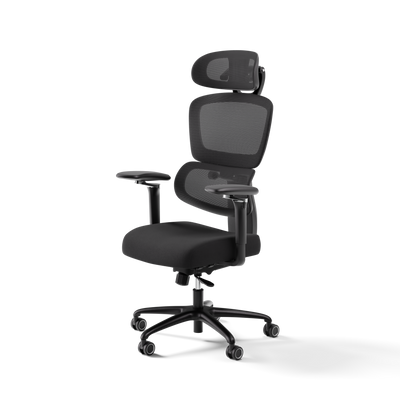
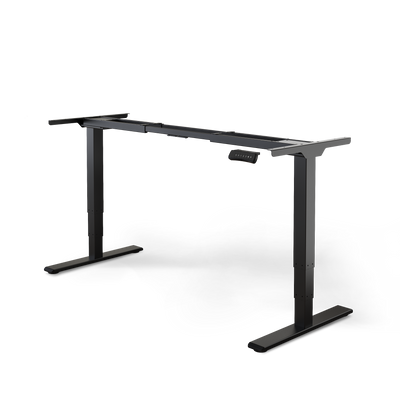
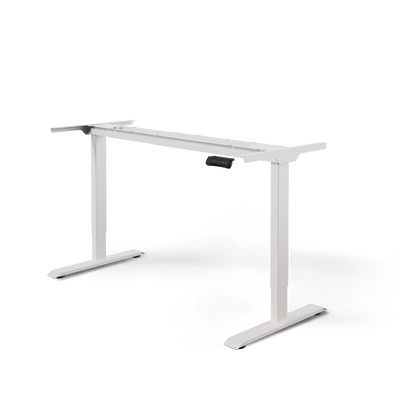
In the product context, a DESKSPACE desk is simply part of the overall system. The crucial factor is not the desk alone, but that the drawer, reach paths, and work surface fit together. Only then does an ergonomic workplace also become organizationally calm.
Maintaining Order Long-Term
Most clutter doesn't appear suddenly. It creeps in. First a loosely placed adapter is added, then two receipts, then a spare cable. After a short time, the organizer itself is just another storage spot.
This is precisely a well-known problem. To prevent an organizer from becoming a collection zone, it must reflect the frequency of access and keep frequently used tools within reach to reduce interruptions among the drawer inserts for the study.
The Simple Routine That Truly Lasts
Use a small rule in everyday life. If putting something back takes less than a minute, do it immediately. Not later. Not collected on Friday.
Practically, this works as follows:
After each call, the pen used goes back to the same place.
After each focus block, adapters and cards return to the tech compartment.
At the end of the day, only what's relevant for tomorrow stays in the drawer.
Effortless Quarterly Check
A German guide recommends checking and reorganizing office drawers regularly, about every few months, to remove unnecessary items and maintain an overview. For your daily routine, a short checklist is enough.
Frequently Asked Questions about Drawer Organizers
Question
Answer
Which drawer organizer office is suitable for small drawers?
A modular system with small inserts is usually more sensible than a large, rigid insert. This allows you to utilize limited space more effectively.
What doesn't belong in the main drawer?
Anything you rarely need. Spare cables, old documents, duplicates, and random small parts only block quick access.
Is felt or bamboo better?
Felt is quieter and often more pleasant for tech accessories. Bamboo looks calmer and fits well with fixed layouts for office supplies.
How many categories do I need?
As few as possible, as many as necessary. For many setups, documents, office supplies, tech accessories, and personal items are sufficient.
How do I prevent new chaos?
Place frequently used items at the front, limit collection compartments, and check the drawer regularly. An organizer without routine won't last long.
If you want to not just tidy up your workspace, but build it as a functional system, you'll find solutions for ergonomic desks, storage, and accessories at DESKSPACE that can be sensibly integrated into a clear setup.